 HarmoniaMentis
Optimising seizure control in people with epilepsy

Drug-resistant epilepsy: understanding uncontrolled seizures
The International League Against Epilepsy (ILAE) defines refractory epilepsy, also known as drug-resistant epilepsy, as the persistence of uncontrolled seizures despite the trial of two well-tolerated, appropriately selected antiseizure medications (ASMs). This includes whether the ASMs are used as monotherapies or in combination at doses intended to achieve sustained seizure freedom.1 The terms “intractable”, “uncontrolled”, “drug-resistant”, “pharmacoresistant”, and “refractory” are used interchangeably, and all refer to the same condition.2
Prevalence and healthcare burden of drug-resistant epilepsy
With a global prevalence of 0.5–1%, epilepsy represents a major neurological condition worldwide.3 Of those affected, an estimated 30% have drug-resistant epilepsy, which is linked to significant medical and social consequences and a high disease burden.1,3,4
Drug-resistant epilepsy is associated with increased repeat admissions to specialist epilepsy monitoring units and accounts for a higher rate of outpatient consultations, emergency department visits, and traumatic injury resulting from seizures.4,5 Treatment adjustments are also more frequent amongst those with drug-resistant epilepsy, as well as greater exposure to polytherapy.4
Since patients with drug-resistant epilepsy require more emergency care, outpatient support, and medication, they account for a significant share of epilepsy-related healthcare costs. Costs related to seizure-driven inpatient admissions, combined with increased pharmacy costs stemming from polytherapy, are higher in those with drug-resistant epilepsy compared with non-drug-resistant epilepsy.4
Causes and triggers of uncontrolled seizures
Seizures can be uncontrolled, or appear to be so, for several broad reasons, such as:
- Incorrect diagnosis: conditions that mimic epilepsy do not respond to ASMs, which can create a false appearance of refractoriness.2,6 Misdiagnosing the epilepsy syndrome (for example, identifying idiopathic generalised epilepsy, IGE, as a focal onset seizure) may limit access to the most appropriate ASM and lead to persistence of seizures.7,8
- Inappropriate treatment: certain epilepsy medications may worsen specific seizure types.2
- Lifestyle factors: missing doses, forgetting to take medication, sleep deprivation, or alcohol and recreational drug use can reduce treatment effectiveness.2,6
- Non-response to treatment: even with a correct diagnosis and appropriate therapy, some seizures may not respond as expected.2
- Co-existence of mental disorders: mental disorders may occur as part of a seizure, in temporal association with them, or independently. Depression affects an estimated 12–62% of people with epilepsy, and the risk is higher in those with poorly controlled seizures.
The underlying cause of truly refractory epilepsy is thought to involve pathophysiological mechanisms that prevent ASMs from achieving their expected effect.6,10,11 However, the precise mechanisms of action by which ASMs exercise their therapeutic effects in patients with seizures are often unknown.12 Some hypotheses include:
- Multidrug transporter hypothesis: overexpression of drug-efflux transporters at the blood–brain barrier may limit ASM penetration to the epileptogenic focus.6,10
- Target hypothesis: structural or functional modifications of ASM targets (e.g., ion channels or receptors) may reduce drug sensitivity and efficacy.6,11
Early identification of refractory epilepsy
The best predictor for pharmacoresistance in epilepsy is the failure of the first well-tolerated ASM (due to efficacy, not intolerance), after which only 11% of patients eventually become seizure-free, and only 3% after trialling 2 appropriate ASMs.1
Apparent ‘pseudo-resistance’ or failure of 2 ASMs may not necessarily indicate pharmacotherapy failure. Similarly to uncontrolled seizures, alternative explanations include misdiagnosis or seizure misclassification, inappropriate ASM selection or dosing, drug–drug interactions, suboptimal adherence, and lifestyle or comorbidity-related triggers.1
Differential diagnosis of refractory epilepsy can usually be achieved at comprehensive specialised epilepsy centres by identifying electroclinical features on an electroencephalogram (EEG).1 MRI can also aid these investigations by detecting structural abnormalities or epileptogenic lesions that may underlie refractory seizures.13
Patients with drug-resistant epilepsy are more likely to present with features that predict structural epilepsy, such as intellectual disability and abnormal neurological examination.14 Neuropsychiatric disorders, status epilepticus, younger age at onset, high seizure frequency in the early phase of their condition, and higher burden of physical disease are also common. Collectively, these characteristics may facilitate earlier detection of drug-resistant epilepsy and provide insight into likely treatment responses.14,15
Management of medically refractory epilepsy
Medically refractory epilepsy should be reconsidered if confounding or reversible factors are identified and corrected. When the underlying issue is resolved and seizures come under control, the epilepsy is no longer classified as refractory.2
After confirming a diagnosis of refractory epilepsy, patients undergo further evaluation to determine suitability for surgical intervention.16 Certain epilepsy syndromes, particularly those with well-localised seizure onset (such as mesial temporal lobe epilepsy, MTLE) are recognised as more surgically remediable than others. In appropriately selected patients, early surgical intervention is associated with seizure freedom rates of approximately 70–90% for disabling seizures.1
For patients not eligible for surgery, alternative treatment options include neuromodulation approaches such as vagal nerve stimulation (VNS), in which a generator is implanted in the left upper chest and tunnelled to the vagus nerve. Other methods include deep brain stimulation (DBS) involving the anterior nucleus of the thalamus, responsive neurostimulation (RNS), and dietary therapies, including the ketogenic diet.1,16
The burden of uncontrolled epilepsy: why good seizure control matters
Epilepsy significantly affects both the physical and psychological well-being of people with the condition, often disrupting daily functioning (e.g. ability to drive), employment, and overall quality of life (QoL).17,18 In some cases, antiepileptic treatment itself may further influence QoL. The effects of epilepsy on mood and broader mental health are also likely underestimated in clinical practice.17
The burden is particularly pronounced in people with uncontrolled epilepsy who consistently report significantly lower QoL compared with those whose seizures are controlled. Recurrent seizures associated with poorly controlled epilepsy may also cause physical injuries and cognitive difficulties. Psychiatric comorbidities (especially anxiety and depression) are common and further reduce quality of life. In settings with limited access to specialised epilepsy care, surgical options, and psychosocial support services, the challenges faced by those with refractory epilepsy may be amplified.18
Early identification is crucial as seizures during adolescence and early adulthood can interfere with education, employment, and interpersonal relationships, hindering the development of vocational and social skills needed for independent living.1
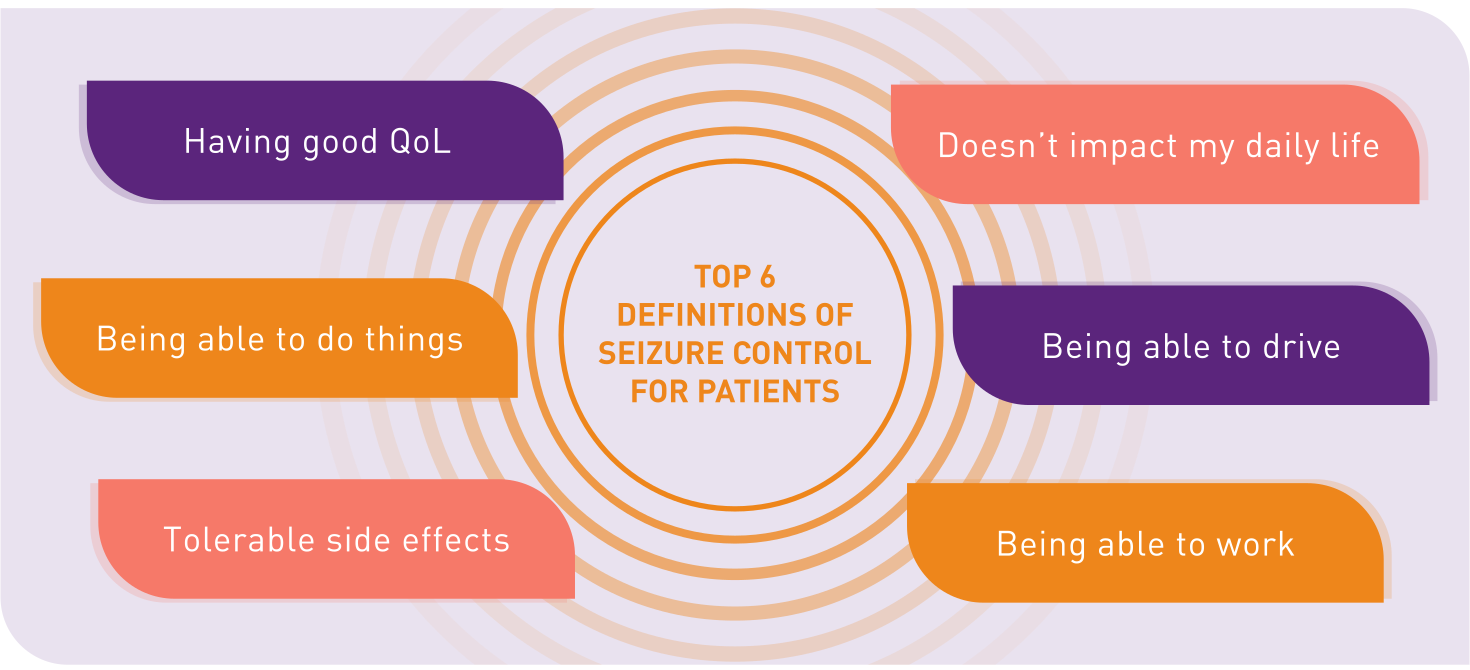
Findings from the STEP survey indicate that around 60% of patients, caregivers, and HCPs view good quality of life as a key indicator of seizure control.19
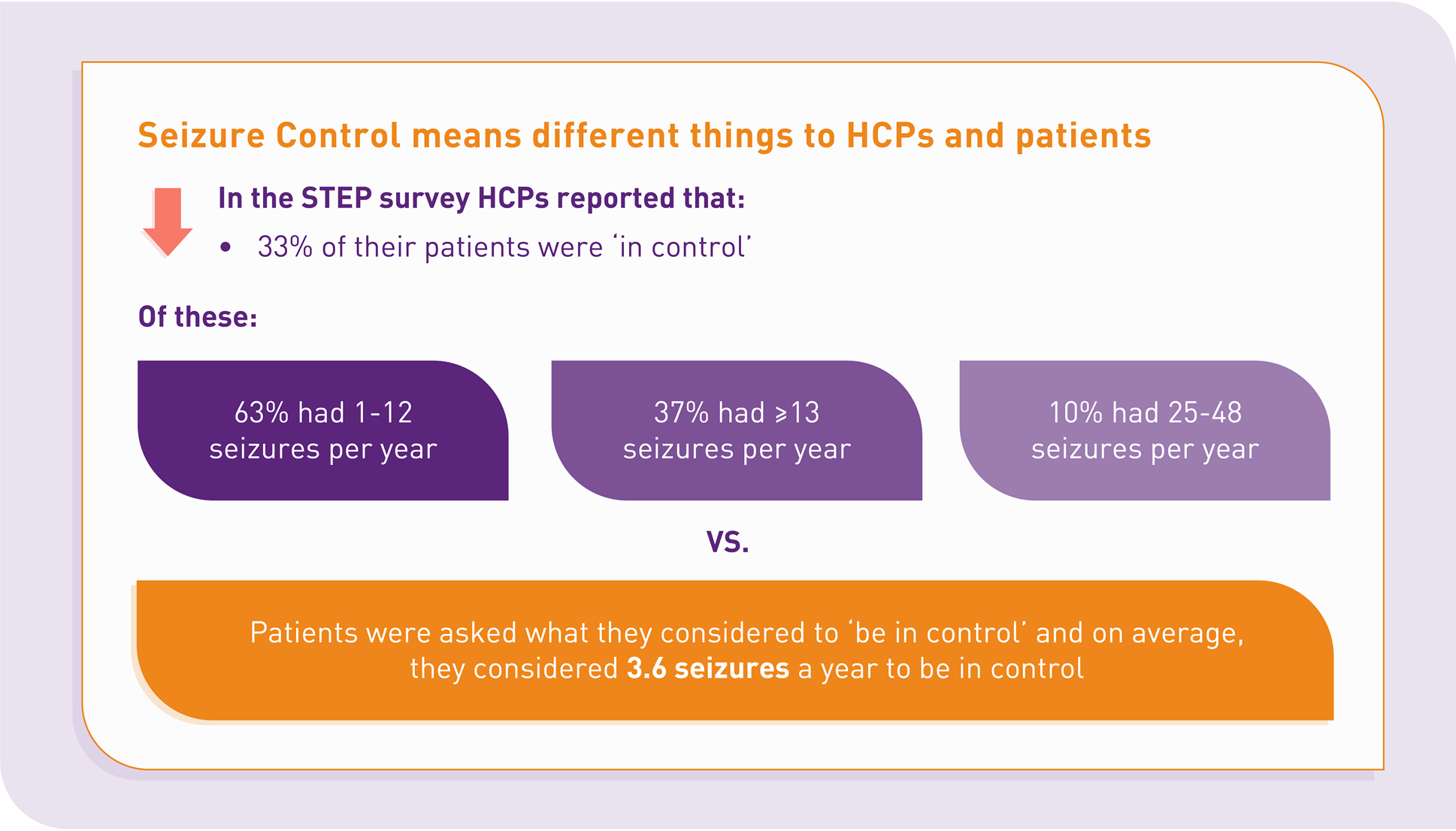
The STEP survey also highlights a mismatch between how HCPs and patients understand the concept of ‘seizure control’. Notably, HCPs reported that one-third of their patients were considered ‘in control’, yet this group still experienced frequent seizures each year. This discrepancy indicates the need for clearer communication between HCPs and their patients when setting treatment expectations and assessing patient outcomes.19
It is important to emphasise that the literature consistently demonstrates under-reporting of seizures. Studies using continuous EEG monitoring have shown that patient-reported seizure diaries may both over-report events when no electrographic seizures are occurring and fail to capture multiple seizures detected on EEG.20
Reducing seizure frequency through carefully considered treatment strategies and appropriate selection of ASMs for each patient is essential to achieving and maintaining optimal seizure control. with seizure freedom as the ultimate therapeutic goal. 21,22
Focal subtypes of drug-resistant epilepsy
Focal epilepsies are more likely to become drug-resistant than IGEs, particularly when associated with structural causes such as cortical dysplasia, mesial temporal sclerosis or tuberous sclerosis.14
Focal refractory epilepsies are also among the most surgically remediable epilepsy types, as discrete structural lesions can often be targeted for resection.1 When an appropriate surgical target is identified, there is typically a 70–90% likelihood of achieving complete elimination of disabling seizures.1 Benefits of surgical intervention may include reduced mortality and incidence of sudden unexpected death in epilepsy (SUDEP), improved long-term quality of life, and a decreased need for ASMs with fewer associated side effects.23,24
Refractory temporal lobe epilepsy
Temporal lobe epilepsy (TLE) is the most frequently assessed focal epilepsy in surgical centres, representing roughly 60% of cases referred for epilepsy surgery evaluation.25 Refractory TLE is associated with gradual, progressive cognitive decline, often affecting learning, memory, attention and decision-making.26–28
Sustained high seizure frequency further increases the risk of long-term complications, including memory impairment, depression, anxiety and a higher likelihood of SUDEP.28
Explore focal onset seizures, their subtypes and management strategies.
Risks and long-term effects of uncontrolled epilepsy
Uncontrolled, medically refractory seizures can lead to long-term neurological and psychosocial harm. Recurrent seizures may cause brain injury, including neuronal death and ongoing physiological dysfunction.29,30 Cognitive difficulties, such as impaired learning, memory, concentration and attention, are common and significantly impact overall health and well-being.29
Learn more about the mechanisms of epilepsy and seizure activity in the brain.
Mortality in individuals with medically refractory seizures is also elevated, with rates estimated to be 4 to 7 times higher than in the general population. Injury risk is also considerable, ranging from roughly 1 per 20 person-years to as often as 1 per 3 person-years.29
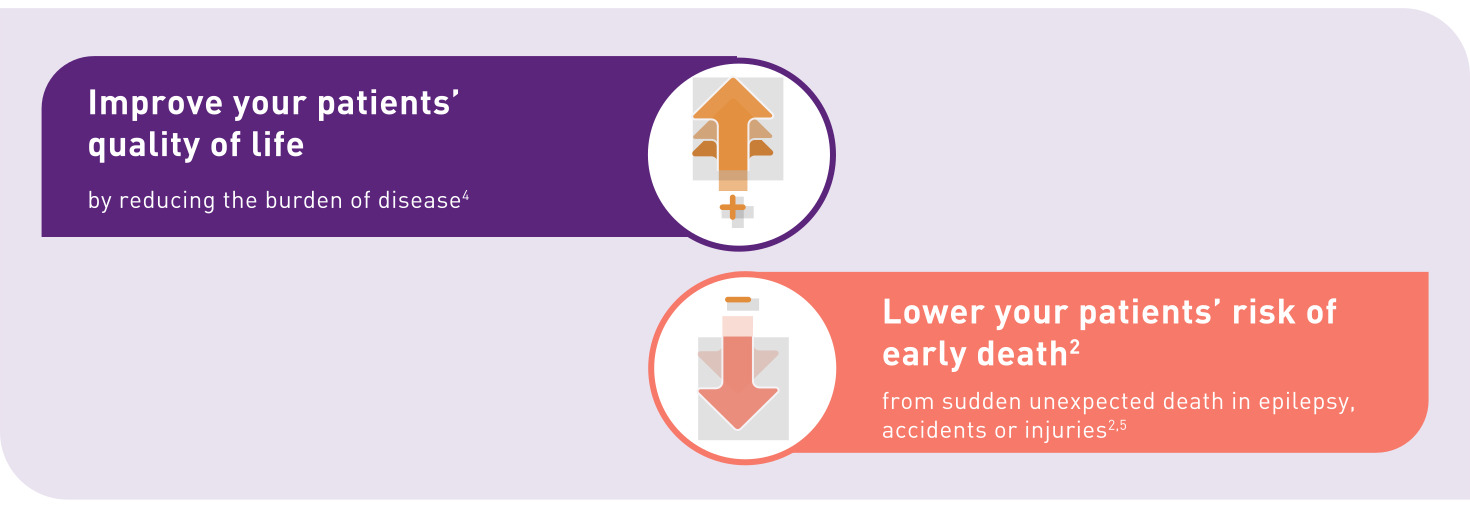
People with drug-resistant epilepsy have a higher risk of psychiatric comorbidities compared with those with epilepsy overall.34 In addition, refractory seizures are associated with greater psychosocial difficulties, including reduced social engagement and lower rates of marriage and employment, which can negatively affect long-term QoL.29
As seizures can contribute to brain injury and progressive neurological dysfunction, reducing seizures is essential to minimise seizure-related brain damage, with QoL in uncontrolled epilepsy closely tied to seizure control.29,35–38
The goals of treatment for your drug-resistant epilepsy patients
Good seizure control means total seizure control, i.e., zero seizures. Given the significant consequences of uncontrolled seizures, the potential risks of intensive medical or surgical treatment are generally outweighed by the benefits of achieving seizure freedom.24
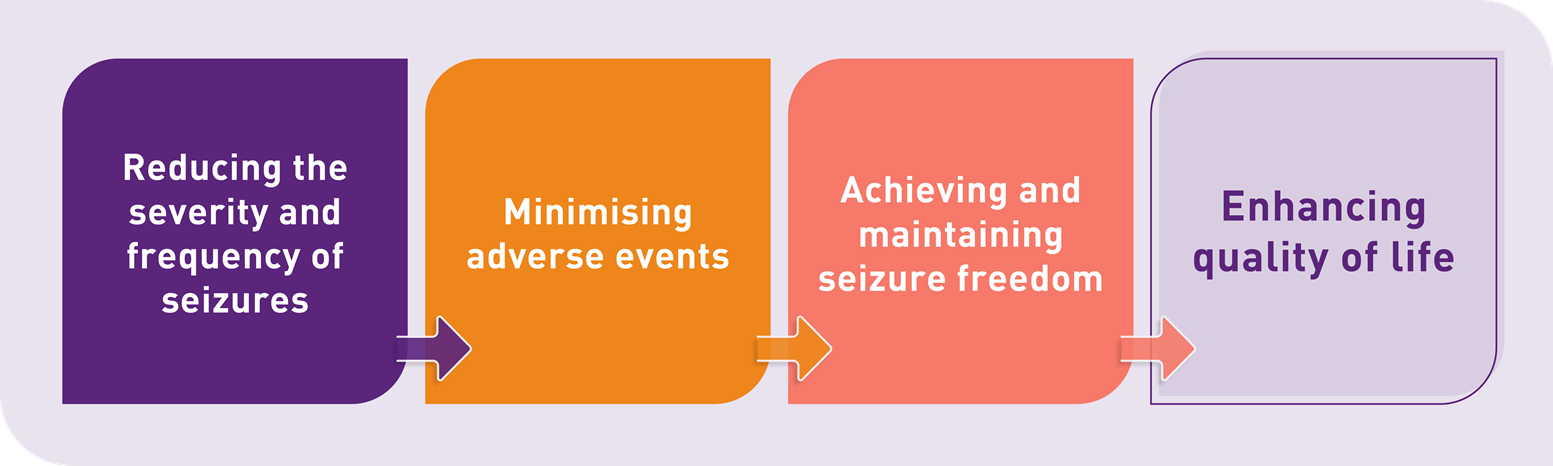
Success with any of these treatment aims could improve patients' QoL.40
Abbreviations
ASM; antiseizure medications; DBS, deep brain stimulation; EEG, electroencephalogram; HCP, healthcare professional; IGE, Idiopathic Generalised Epilepsy; ILAE, International League Against Epilepsy; MTLE, mesial lobe epilepsy; QoL, quality of life; RNS, responsive neurostimulation; STEP, Seize the Truth About Epilepsy Perceptions; SUDEP, sudden unexpected death in epilepsy; TLE, temporal lobe epilepsy; VNS, vagal nerve stimulation.
- Engel J Jr. Approaches to refractory epilepsy. Ann Indian Acad Neurol. 2014;17(Suppl 1):S12-S17.
- Epilepsy Foundation. Drug Resistant Epilepsy. Published October 5, 2020. https://www.epilepsy.com/treatment/medicines/drug-resistant-epilepsy.
- Fattorusso A, Matricardi S, Mencaroni E, et al. The pharmacoresistant epilepsy: An overview on existent and new emerging therapies. Front Neurol. 2021;12:674483.
- Grávalos M, Mayol J, Fonseca E, et al. The medical burden of drug-resistant epilepsy in an outpatient clinic of a tertiary hospital: A prospective study based on real-world evidence. Eur J Neurol. 2025;32(11):e70407.
- Chahrour M, Webster RJ, Reddy D, Dehnoei S, Healy S, Muir K. Healthcare utilization in drug-resistant epilepsy: A retrospective cohort study into factors predictive of success during short pediatric EMU admissions. Epileptic Disord. 2025;27(5):919-926.
- Northeast Regional Epilepsy Group. Refractory Epilepsy - Feature Article. https://www.epilepsygroup.com/notes6-35-122/refractory-epilepsy-feature-article.htm (last accessed July 2026).
- Devinsky O, Elder C, Sivathamboo S, Scheffer IE, Koepp MJ. Idiopathic generalized epilepsy: Misunderstandings, challenges, and opportunities. Neurology. 2024;102(3):e208076.
- NICE. Epilepsies: Diagnosis and Management. May, 2021. Available from: https://www.ncbi.nlm.nih.gov/books/NBK553536/
- Kwieciński M, Gendek-Łapińska K, Ścibior J, Maliszewska K, Ziomek W, Suwała D. Kwieciński M, Gendek-Łapińska K, Ścibior J, Maliszewska K, Ziomek W, Suwała D. Co-existence of mental disorders in patients with epilepsy–literature review. Journal of Pre-Clinical and Clinical Research. 2025;19(2):86-90. J Pre-Clin Clin Res. Published online June 9, 2025.
- Sills GJ. The multidrug transporter hypothesis of refractory epilepsy: corroboration and contradiction in equal measure. Epilepsy Curr. 2006;6(2):51-54.
- Fonseca-Barriendos D, Frías-Soria CL, Pérez-Pérez D, Gómez-López R, Borroto Escuela DO, Rocha L. Drug-resistant epilepsy: Drug target hypothesis and beyond the receptors. Epilepsia Open. 2022;7 Suppl 1(S1):S23-S33.
- Rana ZS, Suman R, Veleri S, Punnakkal P. Mechanism of Anti-seizure medications and Emerging Trends in epilepsy treatment. Int J Drug Discov Pharm. 2023;2(2):1-16.
- Nikodijevic D, Baneva-Dolnenec N, Petrovska-Cvetkovska D, Caparoska D. Refractory epilepsy-MRI, EEG and CT scan, a correlative clinical study. Open Access Maced J Med Sci. 2016;4(1):98-101.
- Ben-Menachem E, Schmitz B, Kälviäinen R, Thomas RH, Klein P. The burden of chronic drug-refractory focal onset epilepsy: Can it be prevented? Epilepsy Behav. 2023;148(109435):109435.
- Laxer KD, Trinka E, Hirsch LJ, et al. The consequences of refractory epilepsy and its treatment. Epilepsy Behav. 2014;37:59-70.
- Anyanwu C, Motamedi GK. Diagnosis and surgical treatment of drug-resistant epilepsy. Brain Sci. 2018;8(4):49.
- Strzelczyk A, Aledo-Serrano A, Coppola A, et al. The impact of epilepsy on quality of life: Findings from a European survey. Epilepsy Behav. 2023;142(109179):109179.
- Phabphal K, Wonghirundecha N, Chongsuvivatwong T, et al. Quality of life in adults with refractory epilepsy in Thailand: a multicenter upcountry nationwide study. BMC Public Health. 2025;25(1):2256.
- Becker DA, Long L, Santilli N, Babrowicz J, Peck EY. Patient, caregiver, and healthcare professional perspectives on seizure control and treatment goals. Epilepsy Behav. 2021;117(107816):107816.
- Baumgartner C, Baumgartner J, Lang C, Lisy T, Koren JP. Seizure detection devices. J Clin Med. 2025;14(3):863.
- NICE. Epilepsies in Children, Young People and Adults [NG217]. April, 2022. (updated: January 2025) https://www.nice.org.uk/guidance/ng217/resources/epilepsies-in-children-young-people-and-adults-pdf-66143780239813 (last accessed July 2026).
- Gunasekera CL, Sirven JI, Feyissa AM. The evolution of antiseizure medication therapy selection in adults: Is artificial intelligence -assisted antiseizure medication selection ready for prime time? J Cent Nerv Syst Dis. 2023;15:11795735231209209.
- Rheims S, Sperling MR, Ryvlin P. Drug-resistant epilepsy and mortality-Why and when do neuromodulation and epilepsy surgery reduce overall mortality. Epilepsia. 2022;63(12):3020-3036.
- Epilepsy Foundation. Risks and Benefits of Epilepsy Surgery. 2024. https://www.epilepsy.com/treatment/surgery/risks-and-benefits (last accessed July 2026).
- Bartolomei F, Makhalova J, Benoit J, Lagarde S. The different subtypes of temporal lobe seizures networks. Rev Neurol (Paris). 2025;181(5):368-381.
- Jokeit H, Ebner A. Long term effects of refractory temporal lobe epilepsy on cognitive abilities: a cross sectional study. J Neurol Neurosurg Psychiatry. 1999;67(1):44-50.
- Labudda K, Frigge K, Horstmann S, et al. Decision making in patients with temporal lobe epilepsy. Neuropsychologia. 2009;47(1):50-58.
- Cleveland Clinic. Temporal Lobe Epilepsy (TLE). Augus, 2025. https://my.clevelandclinic.org/health/diseases/17778-temporal-lobe-seizures (last accessed July 2026).
- Sperling MR. The consequences of uncontrolled epilepsy. CNS Spectr. 2004;9(2):98-101, 106-109.
- Dingledine R, Varvel NH, Dudek FE. When and how do seizures kill neurons, and is cell death relevant to epileptogenesis? Adv Exp Med Biol. 2014;813:109-122.
- Josephson CB, Patten SB, Bulloch A, et al. The impact of seizures on epilepsy outcomes: A national, community-based survey. Epilepsia. 2017;58(5):764-771.
- Thurman DJ, Logroscino G, Beghi E, et al. The burden of premature mortality of epilepsy in high-income countries: A systematic review from the Mortality Task Force of the International League Against Epilepsy. Epilepsia. 2017;58(1):17-26.
- Shankar R, Marston XL, Danielson V, et al. Real-world evidence of epidemiology, patient characteristics, and mortality in people with drug-resistant epilepsy in the United Kingdom, 2011-2021. J Neurol. 2024;271(5):2473-2483.
- Sullivan-Baca E, Rehman R, Towne AR, Haneef Z. Psychiatric co-morbidity of drug-resistant epilepsy in Veterans. Epilepsy Behav. 2023;139(109059):109059.
- CDC. Epilepsy Health and Safety Concerns. Epilepsy. May, 2024. https://www.cdc.gov/epilepsy/health-safety-concerns/index.html (last accessed July 2026).
- Coan AC, Cendes F. Epilepsy as progressive disorders: what is the evidence that can guide our clinical decisions and how can neuroimaging help? Epilepsy Behav. 2013;26(3):313-321.
- Pan Y, Feng Y, Peng W, Cai Y, Ding J, Wang X. Timing matters: there are significant differences in short-term outcomes between two time points of status epilepticus. BMC Neurol. 2022;22(1):348.
- Velez FF, Bond TC, Anastassopoulos KP, et al. Impact of seizure frequency reduction on health-related quality of life among clinical trial subjects with refractory partial-onset seizures: A pooled analysis of phase III clinical trials of eslicarbazepine acetate. Epilepsy Behav. 2017;68:203-207.
- Halford JJ, Edwards JC. Seizure freedom as an outcome in epilepsy treatment clinical trials. Acta Neurol Scand. 2020;142(2):91-107.
- NICE. Cenobamate for treating focal onset seizures in epilepsy. July, 2025. https://www.nice.org.uk/guidance/ta753 (last accessed July 2026)
MAT-UKI-0454-P | June 2026